That is a disputed fact (when taking into account the radioactive waste and thinking about what "into the atmosphere" means, at least that is what I remember from the reports about the last study concerning this), on one hand, but even if it were right: It's less than the radiation generated in the event of a disaster and not bundled into a pile of radioactive waste you can't place nowhere.
"What it really means is that radiation emissions to the environment from an operating nuclear power plant actually are lower than the radioactivity emitted from a coal plant through fly ash residues. That’s because the reactor vessel, fuel rods, and any radioactive waste on site are well shielded, whereas fly ash, with small amounts of deadly radioactive substances, simply is emitted into the environment."
The author appears to be saying, well, if you ran an un-shielded nuclear reactor and threw all the pollution in the air on purpose instead of containing it, then coal ash emits less radiation into the atmosphere. Well, okay, fair enough, but in practice we don't purposely take nuclear waste and fertilize our crops with it, and I don't think anyone's arguing for that.


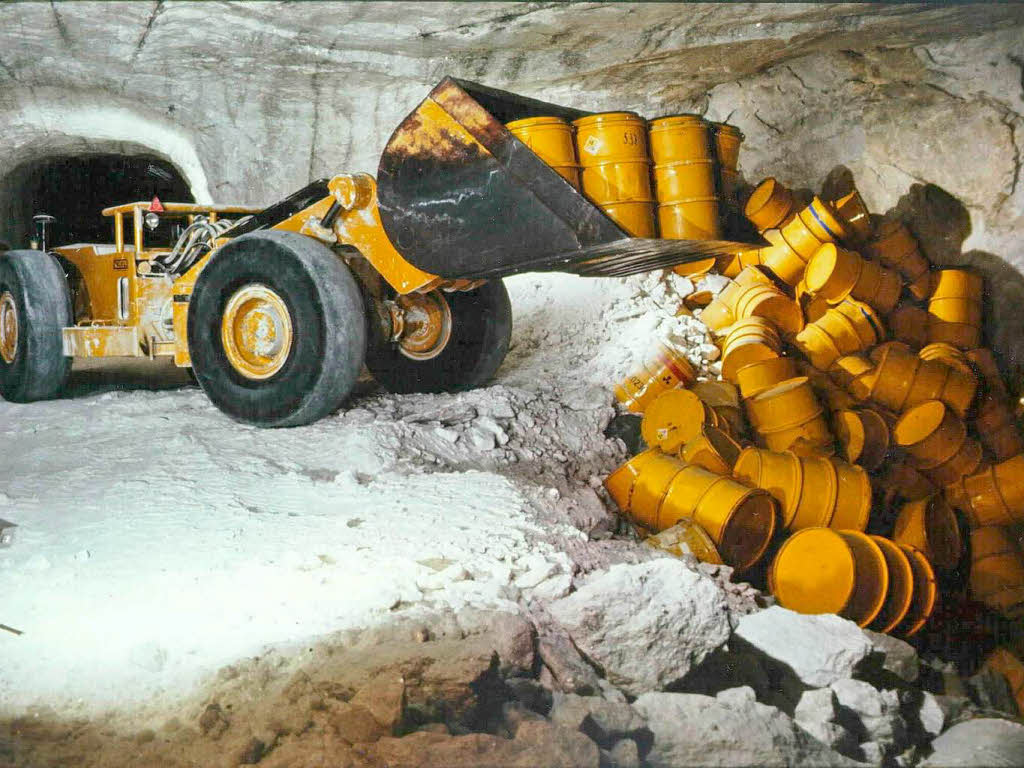
That's excluding all the other pollutants they send out, from mercury to lead to carbon, which are far worse.