I'm someone who likes to hide posts on Reddit after I see them. That way, I never have to worry about seeing the same stuff over and over when I load reddit later. With this technique, the ONLY thing I see are fresh posts.
One problem: The "hide" link on posts is tiny, and appears in a different location under each post (depending on how many comments that post has, etc).
After suffering with this annoyance for over 10 years, I finally fixed the issue by deploying a custom CSS snippet inside of Reddit Enhancement Suite.
And here is the CSS code snippet, in case anyone wants to use it for their own RES config:
Side note: I highly recommend combining this with the "Fix Hide Links" and "Hide Link Instant" feature toggles in Reddit Enhancement Suite. Clicking the "hide" link to a post should just instantly hide the post.
octoparse extracts data from DOM elements. It can't OCR or visually process a dynamic page. The page has to have a structured and predictable HTML DOM.
UIPath doesn't have a visual web scraping module or automation, from what I have seen. You might be able to build a custom one and execute it with their orchestration/automation tools, but I don't see that any support for that out of the box?
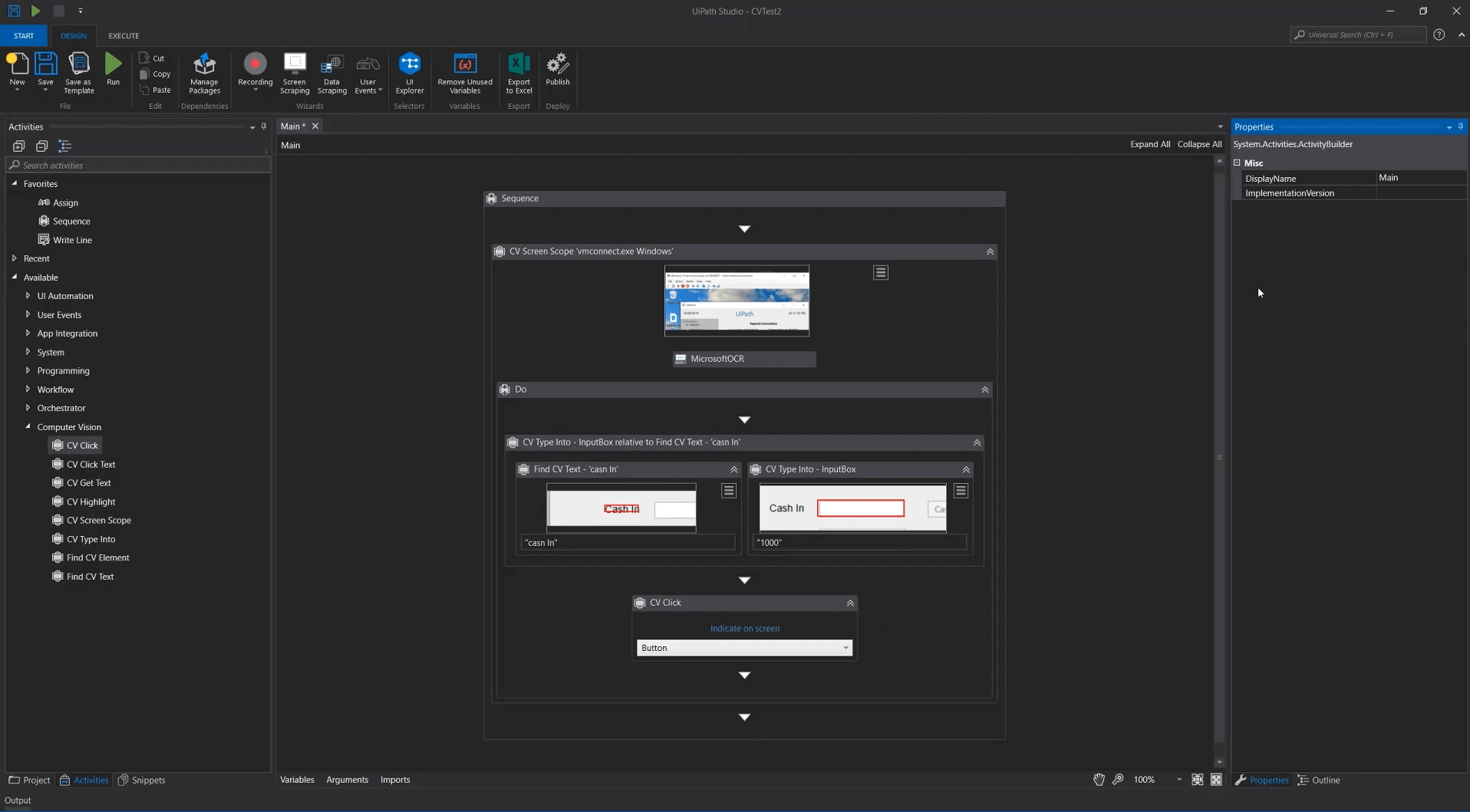
UIPath[0] and many others do. It's actually super common, both needed to support desktop apps built using custom UI toolkits (from memory, xaml and others actually give you something DOM-like to hook into, but others like javafx don't) and it's also useful since a lot of enterprise software runs within VDI/VNC/... so all you have (at a low level) is a "screenshot" and the ability to click on coordinates or trigger keyboard events. [1] is what surface automation looks like in practice.
Sorry, best I can do is an app that tells you if the person you are talking with on the phone is fat. Great for 900 numbers and such. It can even chime in and say "Fat person detected" on the call in a robot voice.
What if you built a scoring system for re-usable action sequences that are stored in a database, and then have the LLM generate alternate solutions and grade them according to their performance?
An action sequence of steps could be graded according to whether it was successful, it’s speed, efficiency, cleverness, cost, etc.
You could even introduce human feedback into the process, and pay people for proposing successful and efficient action sequences.
All action sequences would be indexed and the AI agent would be able to query the database to find effective action sequences to chain together.
The more money you throw at generating, iterating, and evolving various action sequences stored in your database, the smarter and more effective your AI agent becomes.
Why don't you open source it and pay for hosting costs via donated funds instead of just shutting down completely? How much money does it really take to host a job web site anyways?


.promotedlink { display: none !important; }